
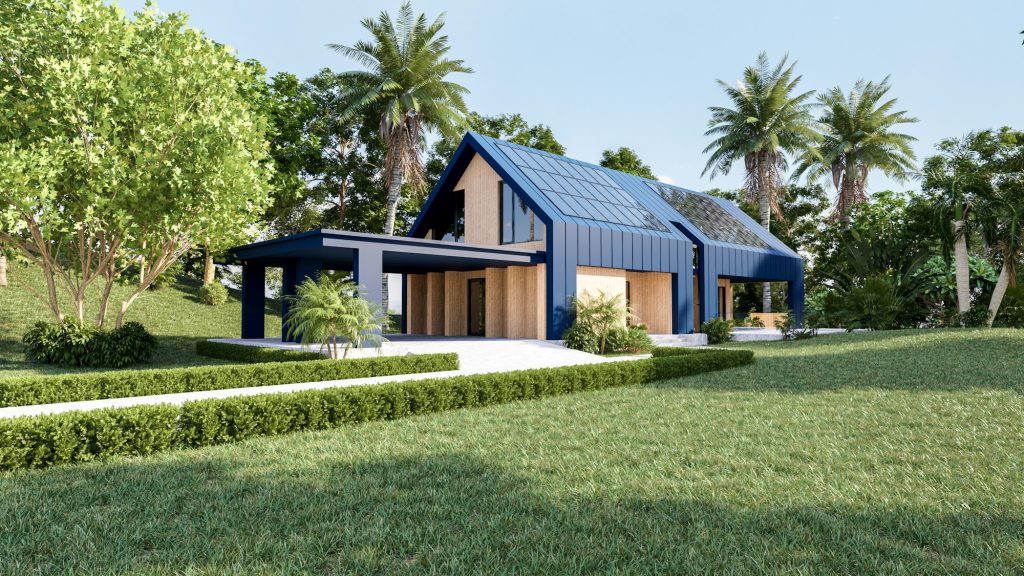
As demand for sustainable energy grows, solar technology is expanding beyond traditional panels into more innovative applications. Solar glass is one of the most significant: it delivers a clean energy source while preserving the transparency and aesthetic appeal of glass surfaces.
What Is Solar Glass?
Solar glass, also known as photovoltaic glass, is a building-integrated photovoltaic (BIPV) technology. It embeds photovoltaic cells within the glass itself, letting it generate electricity from sunlight while remaining transparent. It can be used in windows, facades, skylights, and other glass surfaces, turning them into energy-producing elements without compromising their function or appearance.

Advantages of Solar Glass
Maximized Energy Generation. Solar glass lets buildings generate electricity from surfaces that would otherwise be passive, significantly increasing potential onsite renewable production especially valuable in urban environments with limited roof space.
Aesthetic Integration. Solar glass keeps its transparency and visual appeal. Unlike bulky traditional panels, it integrates seamlessly into a building's design, making it well suited to architectural projects that prioritize aesthetics alongside sustainability.
Enhanced Building Efficiency. Beyond generating electricity, solar glass can provide thermal insulation and, in some formulations, UV protection further improving a building's energy performance and occupant comfort.
Versatile Applications. Beyond windows and facades, solar glass suits skylights, balustrades, and even automotive sunroofs valuable for new construction and retrofits alike.
Reduction in Carbon Footprint. By generating clean energy onsite, solar glass helps buildings meet efficiency standards and sustainability goals while lowering greenhouse gas emissions.
Challenges and Considerations
Installation cost can be higher up front, and photovoltaic efficiency in glass can run below traditional panels. Performance can also be affected by shading, dirt, and weather. As production costs fall and technology matures, these constraints are becoming more manageable.
Looking Ahead
Ongoing improvements in photovoltaic materials, manufacturing, and integrated storage are expected to make solar glass a standard feature of sustainable building design, supporting the shift toward net-zero, energy-producing architecture.